


Evaluation of IFRS 6 Standard: Exploration for and Evaluation of Mineral Resources
IFRS 6 Standard, "Exploration for and Evaluation of Mineral Resources," addresses a specialized topic concerning the accounting fo...
Exploring IFRS 5 Standard: Non-current Assets Held for Sale and Discontinued Operations
IFRS 5 Standard, "Non-current Assets Held for Sale and Discontinued Operations," provides specific accounting guidance for the pre...
Analysis of IFRS 4 Standard: Insurance Contracts
IFRS 4 Standard, "Insurance Contracts," is a significant International Financial Reporting Standard (IFRS) that addresses a specia...
Your Guide to IFRS 3 Standard: Business Combinations
IFRS 3 Standard, "Business Combinations," is one of the most important International Financial Reporting Standards (IFRS) that add...
Overview of IFRS 2 Standard: Share-based Payment
"Share-based Payment," covered by IFRS 2 Standard, is one of the important International Financial Reporting Standards (IFRS) that...
“Origin of International Financial Reporting Standards and Their Development.
Financial accounting has evolved tremendously over time. With increasing globalization and interconnectedness of financial markets...
International Financial Reporting Standards (IFRS): A Global Language for Financial Accounting
International Financial Reporting Standards (IFRS) are a comprehensive set of high-quality accounting standards that aim to standa...
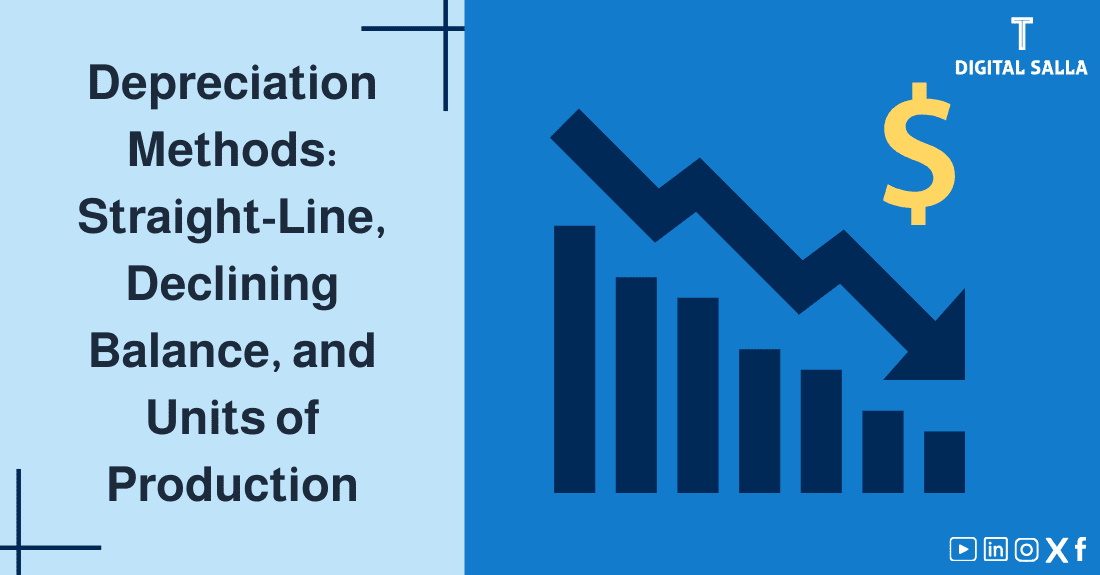
Depreciation Methods: Straight-Line, Declining Balance, and Units of Production
Depreciation is one of the core accounting concepts related to fixed assets. It represents the gradual decrease in the value of an...
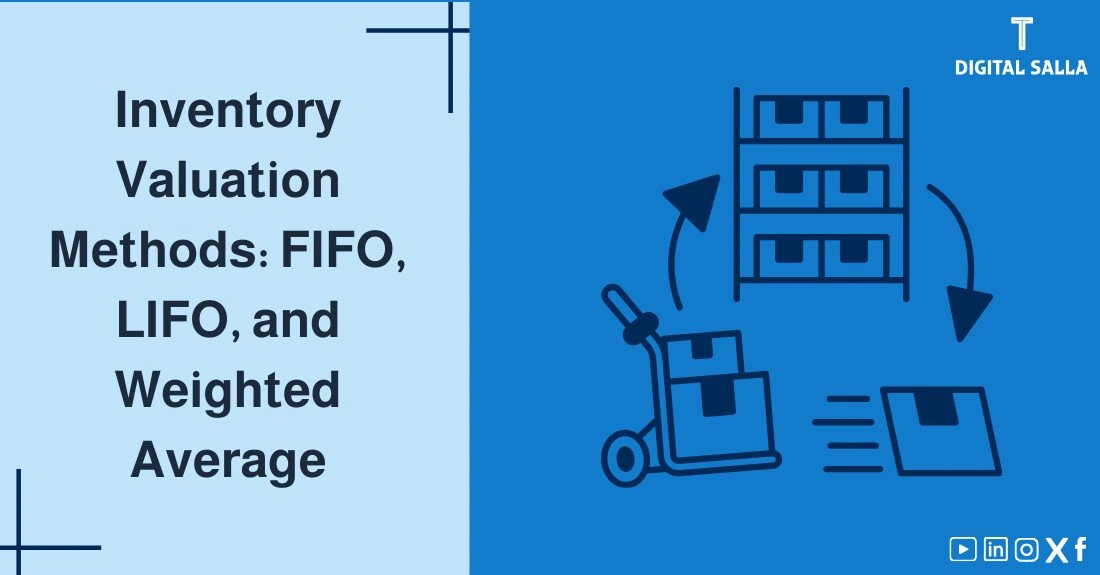
Inventory Valuation Methods: FIFO, LIFO, and Weighted Average
Inventory Valuation Methods are among the most important accounting processes, one that directly affects the income statement and ...
Inventory Counting Methods: Periodic Inventory and Perpetual Inventory
Inventory counting is an essential process in any entity that deals with physical goods. It helps determine the quantity and value...